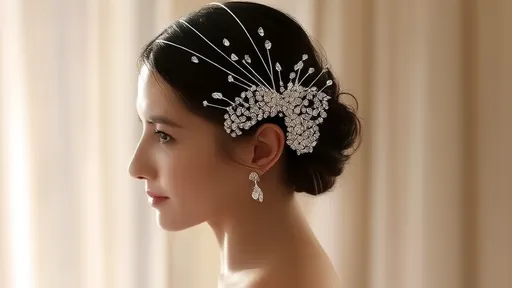
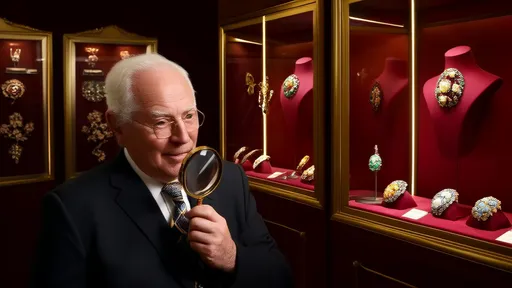
In the hushed halls of European palaces, the parure reigned supreme. A complete, meticulously matched set of jewelry—necklace, earrings, bracelet, brooch, and often a diadem—was the ultimate symbol of status, wealth, and refined taste. It was a uniform for the aristocracy, a declaration of one's place in the world, locked away in velvet-lined cases and brought out for the most significant of occasions. The very concept was one of totality, of a complete and harmonious aesthetic statement.
But the world has irrevocably changed. The rigid social structures that necessitated such formal displays have largely dissolved. The contemporary woman’s life is a mosaic of varied roles—she is a professional, a partner, a friend, a creative force, often all within the same day. The question then naturally arises: in this fast-paced, multifaceted world, does the historical concept of a full parure still hold relevance? The answer is not a simple yes or no, but a fascinating evolution of the concept itself, reflecting the very nature of modern femininity.
The traditional parure, in its most rigid historical form, seems almost an anachronism. The idea of wearing a complete matching set from earrings to necklace to bracelet can feel overly formal, even costumey, for today's casualized and individualistic style landscape. It speaks of a singular event, a monolithic way of presenting oneself that is at odds with the dynamic and expressive nature of contemporary fashion. Modern women often curate their style as they curate their lives—mixing, matching, and blending to create a unique personal signature rather than adhering to a prescribed set of rules. The demand for head-to-toe coordination has given way to a celebration of eclectic individuality.
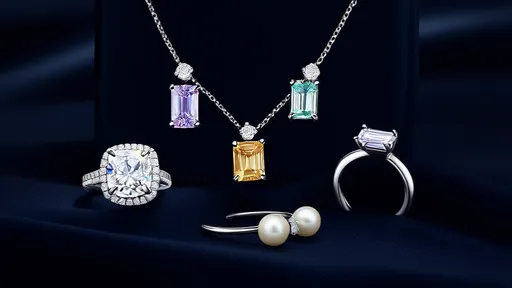
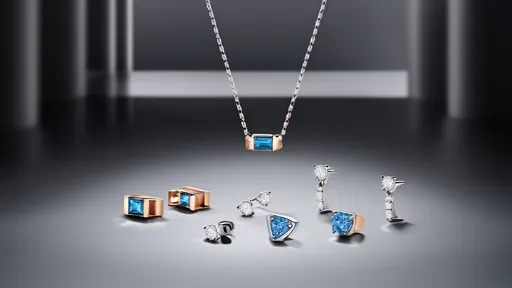
However, to declare the parure entirely obsolete is to miss a crucial point. While the strict adherence to matching every element may have faded, the underlying principles of the parure have been brilliantly reinvented. The modern "parure" is less about literal matching and more about conceptual cohesion. It is about pieces that converse with one another, that share a common design language, material, or inspiration without being identical twins. Designers today often create collections—or "families" of pieces—that allow for modularity and self-expression.
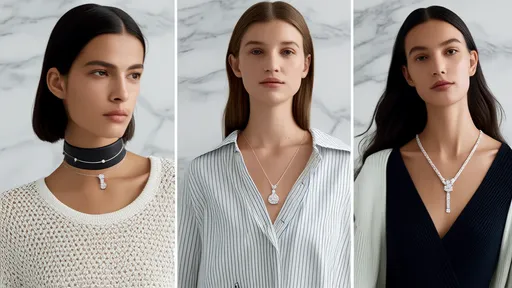
This shift is powerfully driven by the practicalities of modern life. A woman might invest in a stunning, statement necklace that serves as the focal point for a formal evening. The corresponding earrings from the same collection might be elegant, understated studs that she can wear to the office the next day, carrying a whisper of the previous night's glamour into a completely different context. The bracelet might be worn stacked with other, more personal pieces collected over a lifetime. The set is not worn en masse but is deployed strategically, its components living full and independent lives while still being part of a greater whole. This modular approach offers incredible versatility and value, aligning perfectly with a desire for investment pieces that can be worn in multiple ways.
Furthermore, the modern interpretation taps into a deeper, more emotional current. For many, jewelry is no longer just about adornment; it is about personal narrative and emotional connection. A contemporary "parure" might be assembled over time, perhaps starting with a pair of earrings received as a gift, later complemented by a necklace purchased to mark a career achievement, and a bracelet acquired on a memorable trip. Though not designed together, they form a cohesive set in the wearer's eyes because they tell her story. They are united by memory and meaning rather than by perfectly matching gemstones. This self-curated collection is, in its own way, the most personal parure imaginable.
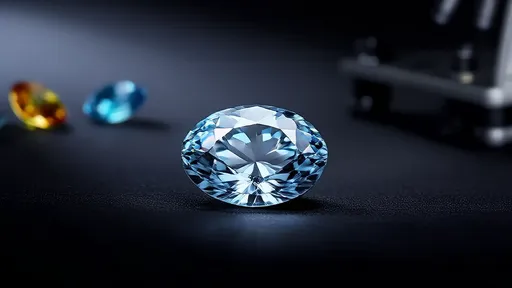
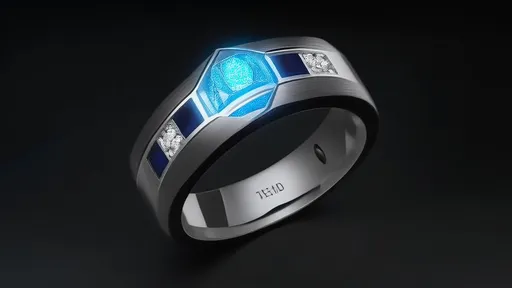
The materials and design philosophies have evolved in tandem. While historic parures were often showcases for diamonds and precious gems in symmetrical, formal settings, modern sets explore a far broader palette. We see parures built around unconventional materials like titanium, ceramic, or even recycled elements. The designs can be asymmetrical, organic, and architectural. A designer might create a "set" where the necklace features a raw, uncut crystal, the earrings hold smaller shards of the same stone, and the ring echoes the organic form in polished metal. The connection is thematic and textural rather than perfectly symmetrical, appealing to a modern sensibility that values artistry and uniqueness over sheer opulence.
So, does the contemporary woman need a full, matching parure? She does not need it in the 18th-century sense of the word—as a mandatory symbol of status for a single, formal occasion. But she may very well desire its evolved successor: a thoughtfully curated collection of interoperable pieces that offer immense styling flexibility, embody personal significance, and reflect her multifaceted identity. The modern parure is not a dictated uniform but a toolkit for self-expression.
It is a concept that has been liberated from the vault and woven into the fabric of everyday life. It is less about matching and more about belonging—belonging to a personal aesthetic, a story, or a moment in time. The suite of jewelry has been deconstructed and reassembled by the modern wearer, not according to the rulebook of a court jeweler, but according to the rhythm of her own life. In this sense, the spirit of the parure is not only alive but thriving, having gracefully adapted to celebrate the autonomy, creativity, and complex beauty of the contemporary woman.
By /Aug 28, 2025
By /Aug 28, 2025

By /Aug 28, 2025
By /Aug 28, 2025
By /Aug 28, 2025
By /Aug 28, 2025
By /Aug 28, 2025
By /Aug 28, 2025
By /Aug 28, 2025

By /Aug 28, 2025

By /Aug 28, 2025
By /Aug 28, 2025
By /Aug 28, 2025
By /Aug 28, 2025
By /Aug 28, 2025
By /Aug 28, 2025
By /Aug 28, 2025
By /Aug 28, 2025

By /Aug 28, 2025
By /Aug 28, 2025