In the rapidly evolving landscape of wearable technology, the smart ring has emerged as a discreet yet powerful contender, promising to blend seamlessly into daily life while delivering cutting-edge functionality. Unlike bulkier devices such as smartwatches or fitness bands, these miniature marvels face a unique challenge: balancing robust technological capabilities with elegant, wearable design. The question of whether any product can truly achieve this equilibrium has become a central debate among consumers, designers, and tech enthusiasts alike.
At the heart of this discussion lies the inherent tension between function and form. On one hand, a smart ring is expected to perform a myriad of tasks—tracking health metrics like heart rate and sleep patterns, enabling contactless payments, receiving notifications, and even controlling smart home devices. These features demand advanced sensors, batteries, and processors, all of which require physical space. On the other hand, a ring is a deeply personal piece of jewelry, often worn for aesthetic reasons, as a symbol of status, commitment, or simply as an expression of personal style. It must be comfortable, lightweight, and visually appealing enough to be worn every day, regardless of the occasion.
Historically, the journey of the smart ring has been a tale of two extremes. Early iterations often prioritized function over form, resulting in clunky, obtrusive designs that felt more like miniature computers than jewelry. These devices were packed with features but failed to resonate with a broader audience because they were uncomfortable to wear and drew unwanted attention. Conversely, some later models leaned too heavily into aesthetics, offering sleek, minimalist designs but sacrificing meaningful functionality. They looked beautiful on the finger but provided little more than basic activity tracking, leaving tech-savvy users wanting more.
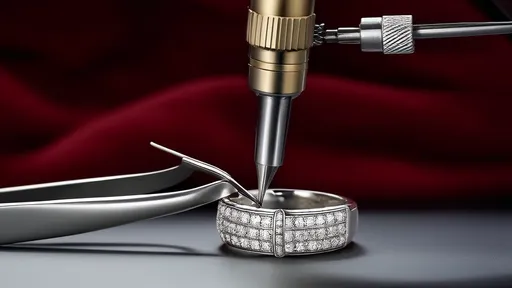
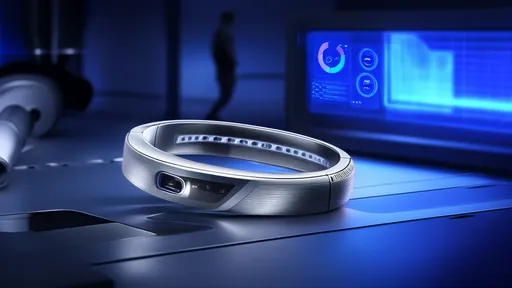
Today, a new generation of smart rings is attempting to bridge this divide. Companies are investing heavily in miniaturization technology, developing smaller, more efficient sensors and batteries that can be integrated into slimmer bands. Materials science has also played a crucial role; the use of premium materials like titanium, ceramic, and even precious metals allows these devices to mimic the look and feel of traditional rings while housing sophisticated electronics. The goal is no longer just to create a functional gadget but to craft an object of desire—a piece of technology that people are proud to wear.
One of the key players in this space, Oura, has set a high standard with its focus on health analytics. The Oura Ring is renowned for its accurate sleep and activity tracking, yet it maintains a relatively unobtrusive design that many find acceptable for daily wear. Similarly, McLear's NFC Ring emphasizes practicality with features like access control and payment capabilities, all within a simple, robust form factor. However, even these leaders face criticisms—some users still find the designs too utilitarian, lacking the customization and elegance offered by traditional jewelry.
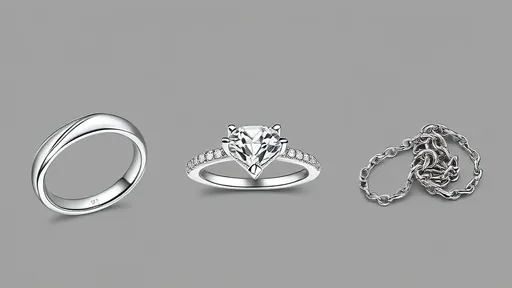
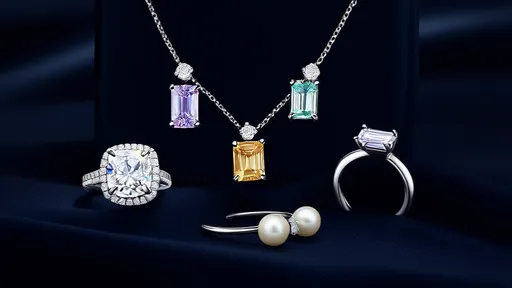
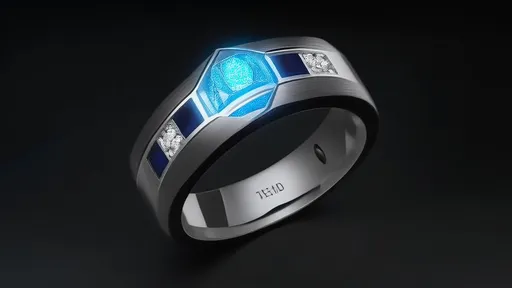
The fashion and luxury industries have taken note, leading to collaborations that aim to infuse style into functionality. Brands like Gucci and Cartier have experimented with smart rings that prioritize aesthetics, incorporating iconic design elements and high-end materials. These rings often serve as symbolic items—think authentication for luxury experiences or digital ownership—rather than full-fledged health devices. While they excel in the decoration department, their functional offerings are usually limited, appealing to a niche market that values brand prestige over comprehensive tech features.
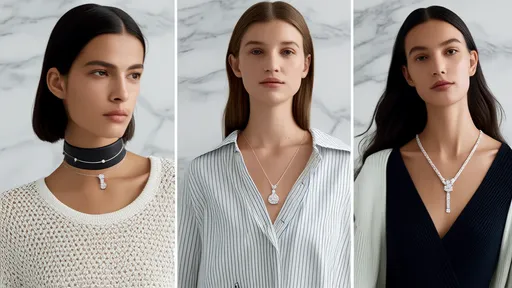
Consumer expectations further complicate this balance. Tech enthusiasts demand continuous innovation—more sensors, longer battery life, and broader compatibility with ecosystems like iOS and Android. Meanwhile, style-conscious consumers seek rings that are customizable, available in various finishes, sizes, and designs to match individual tastes. The challenge for manufacturers is to meet these diverse needs without compromising on either front. It’s a delicate dance: adding a new sensor might improve functionality but could thicken the ring’s profile, alienating those who prefer a discreet look.
Battery life represents another critical hurdle. Advanced features like continuous heart rate monitoring or GPS connectivity drain power quickly, necess larger batteries that increase the ring’s size. Innovations in low-energy Bluetooth and power-efficient chips are helping, but many smart rings still require daily or weekly charging, which can be a nuisance for users accustomed to traditional jewelry that requires no maintenance. Some companies are exploring alternative solutions, such as kinetic energy harvesting or solar charging, though these technologies are not yet mature enough for widespread adoption.
Despite these challenges, the market is witnessing promising advancements. Ultrahuman and Circular have introduced rings that boast impressive health-tracking capabilities while maintaining sleek designs. Their approach involves optimizing software to extract maximum insights from minimal hardware, reducing the need for bulky components. Moreover, the rise of modular designs—where users can swap out bands or faces—offers a potential path forward, allowing for personalization without sacrificing core functionality.
Looking ahead, the future of smart rings may lie in hyper-personalization. Imagine rings that are 3D-printed to fit perfectly on a user’s finger, with sensors calibrated to individual physiology. AI-driven software could provide tailored insights, making the device feel less like a generic tool and more like a personal assistant. Simultaneously, as augmented reality (AR) and virtual identity gain traction, smart rings could evolve into digital access keys or identity tokens, blending physical decoration with virtual utility in ways we are only beginning to imagine.
In conclusion, the quest to balance function and decoration in smart rings is ongoing and multifaceted. While no product has yet achieved perfection, the industry is moving closer to a harmony where technology enhances rather than overwhelms design. The ideal smart ring will likely not be a one-size-fits-all solution but a diverse range of products catering to different priorities—whether that’s health monitoring, fashion statement, or seamless integration into a digital lifestyle. As innovation continues, the line between gadget and jewelry will blur, ultimately redefining what we expect from the devices we wear on our fingers.
By /Aug 28, 2025
By /Aug 28, 2025

By /Aug 28, 2025
By /Aug 28, 2025
By /Aug 28, 2025
By /Aug 28, 2025

By /Aug 28, 2025
By /Aug 28, 2025

By /Aug 28, 2025

By /Aug 28, 2025

By /Aug 28, 2025
By /Aug 28, 2025
By /Aug 28, 2025

By /Aug 28, 2025
By /Aug 28, 2025

By /Aug 28, 2025
By /Aug 28, 2025
By /Aug 28, 2025

By /Aug 28, 2025

By /Aug 28, 2025
