In the world of fine jewelry, the joy of wearing cherished pieces often comes with the hidden risk of damage that can occur through daily wear. From the subtle warping of a beloved ring to the unsettling looseness of a precious gemstone or the frustrating entanglement of a delicate necklace, these issues not only detract from the beauty of the jewelry but can also lead to significant financial and emotional loss. Understanding how to prevent such damage is essential for any jewelry owner who wishes to preserve their investments and keep their pieces in pristine condition for years to come.
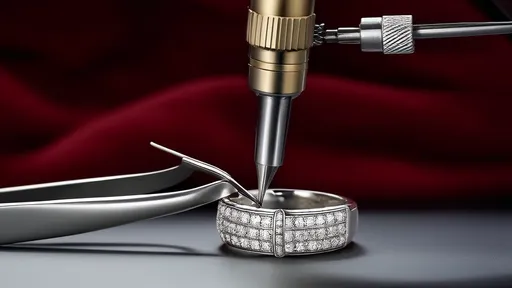
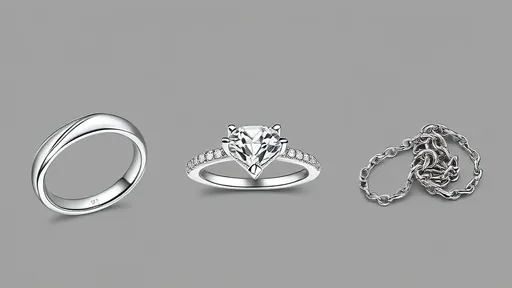
One of the most common issues faced by ring wearers is the deformation of the band. Rings, particularly those made from softer metals like gold or platinum, are susceptible to bending, scratching, or losing their shape over time. This often happens during activities that involve pressure or impact, such as gardening, sports, or even mundane household chores. A ring that has been deformed not only looks less appealing but may also become uncomfortable to wear or, worse, risk losing its stone if the setting is compromised. To prevent such damage, it is advisable to remove rings during physical activities and store them properly when not in use. Additionally, having rings inspected annually by a professional jeweler can help identify early signs of wear and tear, allowing for timely repairs before minor issues escalate into major problems.
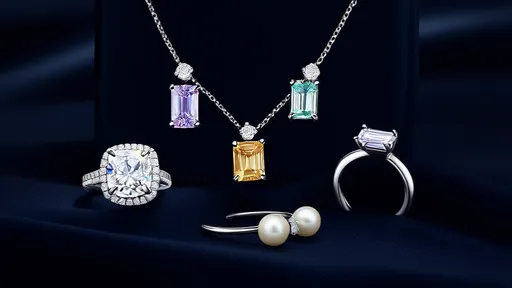
Another frequent concern is the loosening of gemstones in their settings. Whether it’s a diamond in an engagement ring or a sapphire in a vintage brooch, stones can become loose due to everyday knocks, temperature changes, or simply the natural weakening of the setting over time. A loose stone is not just a cosmetic issue; it poses a real risk of falling out and being lost forever. To mitigate this, wearers should avoid exposing their jewelry to extreme temperatures or harsh chemicals, which can expand or contract the metal and weaken the prongs. Regular cleaning with a soft brush and mild soap can help maintain the setting’s integrity, but it is crucial to have a jeweler check the tightness of stones during routine maintenance. For high-value pieces, consider investing in extra security features, such as additional prongs or bezel settings, which offer enhanced protection for the gems.
Necklaces, especially those with fine chains or intricate designs, are prone to tangling and knotting. This not only causes frustration but can also lead to breakage if the chain is pulled too hard while untangling. Delicate chains, such as those made from sterling silver or thin gold, are particularly vulnerable. To prevent knots, store necklaces separately in soft pouches or on jewelry stands that keep them suspended and untangled. When wearing them, be mindful of activities that might cause them to snag, such as putting on clothing or handling hair. If a necklace does become knotted, avoid using force to untangle it; instead, use a straight pin or a pair of fine-tipped tweezers to gently work through the knot without damaging the links.
Beyond these specific issues, general care practices can go a long way in preserving the beauty and integrity of jewelry. Always put jewelry on after applying cosmetics, perfumes, or hairsprays, as chemicals in these products can accelerate tarnishing and weaken metals. When storing pieces, keep them in a dry, cool place away from direct sunlight, which can fade certain gems and damage organic materials like pearls. For pieces with significant sentimental or monetary value, consider insuring them against loss or damage, and maintain detailed records, including photographs and appraisals, to facilitate repairs or replacements if necessary.
Ultimately, the key to preventing jewelry damage lies in a combination of mindful wearing, proper storage, and regular professional maintenance. By adopting these habits, wearers can enjoy their precious pieces with confidence, knowing they are taking proactive steps to safeguard their jewelry against common pitfalls. After all, jewelry is not just an accessory; it is often a repository of memories and milestones, deserving of care and attention to ensure it remains as brilliant and meaningful as the day it was acquired.
By /Aug 28, 2025
By /Aug 28, 2025

By /Aug 28, 2025

By /Aug 28, 2025
By /Aug 28, 2025
By /Aug 28, 2025
By /Aug 28, 2025

By /Aug 28, 2025
By /Aug 28, 2025

By /Aug 28, 2025

By /Aug 28, 2025

By /Aug 28, 2025
By /Aug 28, 2025
By /Aug 28, 2025
By /Aug 28, 2025
By /Aug 28, 2025

By /Aug 28, 2025
By /Aug 28, 2025

By /Aug 28, 2025
By /Aug 28, 2025
