In the intricate world of jewelry repair, there exists a delicate balance between restoration and preservation. While many repairs can breathe new life into cherished pieces, certain procedures cross a threshold into what experts term "irreversible operations." These interventions, though often well-intentioned, can fundamentally alter a piece's character and, more critically, its market value. Understanding which repairs fall into this category is essential for collectors, owners, and even seasoned jewelers, as the line between saving a piece and compromising its worth is often perilously thin.
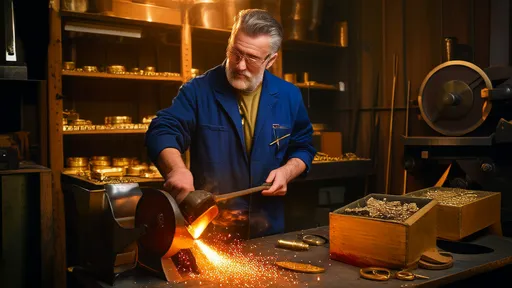
The concept of value in jewelry is a multifaceted tapestry woven from materials, craftsmanship, provenance, and, perhaps most intangibly, originality. Any repair that permanently alters the original fabric of a piece chips away at this intrinsic worth. The most glaring example is the complete recasting of a damaged item. While it might seem like a logical solution for a severely broken heirloom—a cracked signet ring or a shattered antique locket—recasting is essentially creating a replica. The new piece, though identical in design, loses all connection to the original metal, the specific wear patterns, and the very essence of its history. It becomes a modern reproduction, its value reduced to the mere weight of its materials and the cost of labor, a stark devaluation from its former status as an antique artifact.
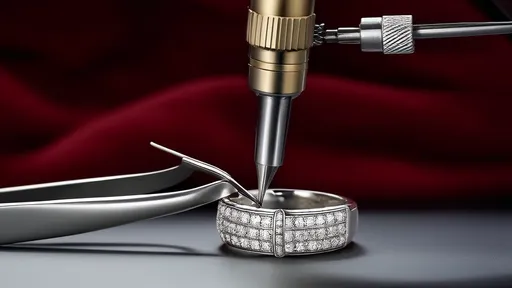
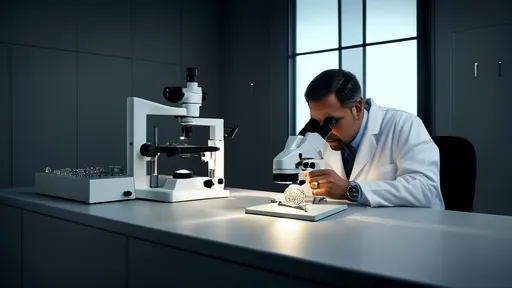
Similarly, the process of soldering, while a fundamental technique in jewelry repair, becomes a value-diminishing act when applied to certain collectibles. For instance, soldering a broken link on a mass-produced modern chain is standard practice. However, performing the same operation on a delicate, hand-forged chain from the Victorian era introduces modern filler metal into an antique piece. This not only alters its metallurgical purity but is also often detectable under magnification by a trained appraiser, immediately marking the piece as "repaired" and diminishing its value to serious collectors who prize untouched originality.
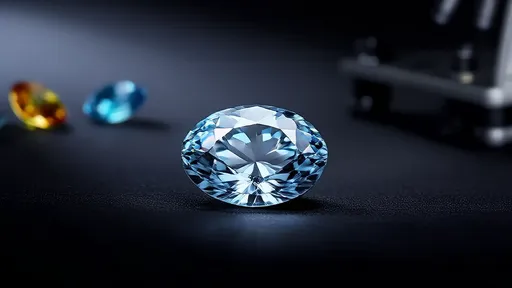
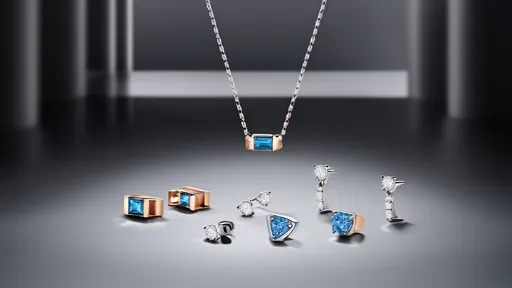
Beyond metalwork, the realm of gemstone repair harbors its own irreversible pitfalls. The practice of re-cutting a damaged gemstone is perhaps the most definitive value-altering procedure. A gem's value is heavily dependent on its carat weight, and recutting to remove a chip or crack inevitably reduces this weight. More importantly, it changes the stone's original proportions and potentially its faceting style. A recut Old European-cut diamond, for example, loses the distinctive soft glow and larger facets that characterize its cut and era. It may become more brilliant by modern standards, but in doing so, it surrenders the historical authenticity that gave it a premium. It is no longer an antique stone but a modern-cut stone housed in an antique setting.
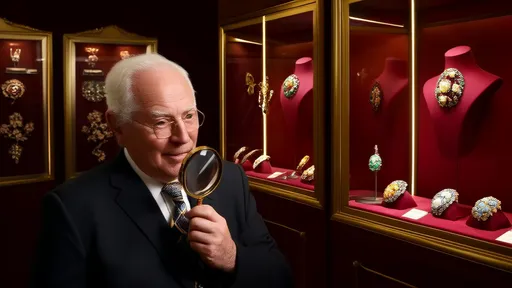
Another critical area is the replacement of integral components. Swapping out a worn-out clasp on a modern bracelet is routine. However, replacing a original, period-specific clasp on an antique piece with a modern one is a destructive act. The original clasp is part of the piece's story and construction. Its design, maker's marks, and mechanism are all clues to its age and authenticity. A replacement, no matter how skillfully matched, severs this link to the past. The piece becomes a composite—part old, part new—and its value is assessed accordingly, often significantly lower than a fully original specimen. This principle extends to any original part, including hinges on brooches, bolts on cufflinks, or even original screw threads on earrings.
The application of modern coatings and platings also represents an irreversible and often value-reducing intervention. Heavily plating a worn piece of gold jewelry to restore its color might make it look new, but it masks the authentic metal underneath. For an item valued for its age, this patina of wear is a badge of honor, proof of its journey through time. Polishing and plating erase this history, creating a shiny but characterless object. In the case of rhodium plating over worn blackened silver, the original surface is forever lost. While the piece may look pristine, a collector will see the plating as a destructive overlay that compromises the integrity of the original silverwork.
Perhaps one of the most controversial and value-destructive practices is the removal of original enamel work for repair. Antique enamel, with its unique formulas and application techniques, is nearly impossible to replicate perfectly. Attempting to remove and replace damaged sections of guilloché enamel or plique-à-jour almost always results in a visible discrepancy. The new enamel will have a different texture, luster, and color density. To a connoisseur, this repair is not a restoration but a mutilation. The piece loses its cohesive artistic integrity, and its value plummets, as it is no longer a pristine example of the enameler's art but a damaged good that has been poorly mediated.
Finally, the over-polishing of intricate carvings and maker's hallmarks is a silent killer of value. Many antique pieces feature delicate engraving, repoussé work, or detailed filigree. Aggressive polishing to remove scratches smooths away these fine details, blurring the sharpness of the design and often thinning the metal. Most tragically, it can completely erase the maker's marks or assay marks stamped into the metal. These hallmarks are the piece's fingerprint, its certificate of authenticity and origin. Without them, the piece becomes an anonymous object, its provenance unverifiable and its value reduced to a fraction of what it could have been.
In conclusion, the world of jewelry repair demands a philosophy of "first, do no harm." The highest form of preservation often involves minimal, reversible, and non-invasive techniques that stabilize a piece without altering its soul. Irreversible operations like recasting, recutting gems, replacing original parts, applying modern platings, disturbing original enamel, and over-polishing are not acts of conservation but of transformation. They change the item's fundamental nature, crossing a line from which there is no return. For anyone who owns or handles valuable jewelry, the paramount lesson is that the greatest value often lies not in perfection, but in authentic, untouched preservation, scars and all.
By /Aug 28, 2025
By /Aug 28, 2025

By /Aug 28, 2025

By /Aug 28, 2025
By /Aug 28, 2025
By /Aug 28, 2025
By /Aug 28, 2025

By /Aug 28, 2025
By /Aug 28, 2025

By /Aug 28, 2025

By /Aug 28, 2025

By /Aug 28, 2025
By /Aug 28, 2025

By /Aug 28, 2025
By /Aug 28, 2025
By /Aug 28, 2025
By /Aug 28, 2025
By /Aug 28, 2025

By /Aug 28, 2025
By /Aug 28, 2025
