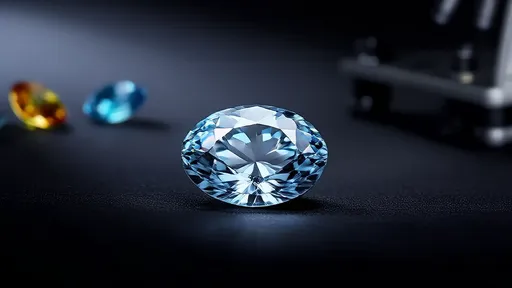
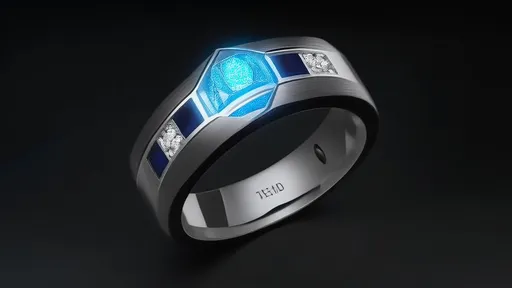
In the world of gemstones, fluorescence often remains one of the most misunderstood and overlooked characteristics. To the average consumer, the term might evoke images of blacklight posters or glow-in-the-dark novelties, but in gemology, it carries a far more nuanced significance. Fluorescence refers to the phenomenon where a gemstone emits visible light when exposed to ultraviolet radiation. This captivating trait can dramatically alter a stone's appearance under different lighting conditions, making it a critical factor in both valuation and aesthetic appreciation. While some buyers actively seek out fluorescent gems for their unique properties, others approach them with caution, influenced by myths and market perceptions that have persisted for decades.
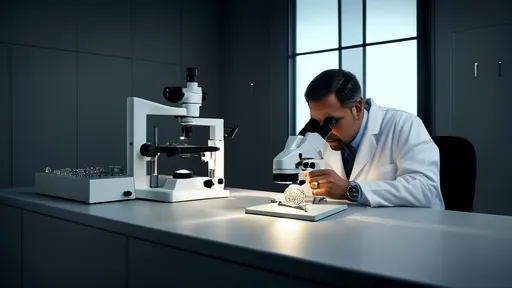
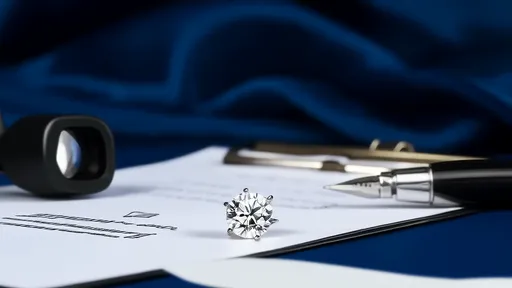
Laboratory reports from esteemed institutions like the Gemological Institute of America (GIA) meticulously document fluorescence, typically describing its intensity—ranging from none to very strong—and its color. For instance, a diamond might exhibit blue fluorescence under UV light, which can sometimes make a yellowish diamond appear whiter in sunlight, indirectly enhancing its color grade. However, this same property has been controversially cited in rare cases as contributing to a hazy or oily appearance in stones with very strong fluorescence, though such instances are exceptional rather than the rule. The narrative surrounding fluorescence is complex, blending scientific observation with subjective beauty, and it demands a closer look beyond simplistic generalizations.
The impact of fluorescence extends from the controlled environments of gem labs to the everyday experiences of wearers. In natural daylight, which contains ultraviolet components, a fluorescent diamond can appear brighter and more vibrant, often lending it an ethereal glow that many find desirable. This effect is particularly noticeable in diamonds with blue fluorescence, which may counteract faint yellow tones, creating a visual upgrade without any treatment. Conversely, in artificial lighting devoid of UV, the same stone might look entirely ordinary, its hidden potential only revealed under the right conditions. This chameleon-like quality means that fluorescence can be a delightful surprise or a non-issue, depending on how and where the gem is worn.
Beyond diamonds, fluorescence plays a fascinating role in other gemstones. For example, some rubies from certain localities display strong red fluorescence, which can intensify their color in sunlight, making them appear more saturated and lively. Similarly, certain sapphires and emeralds may exhibit this trait, though it is less commonly discussed. The presence of fluorescence can sometimes aid in identifying a gem's origin or authenticity, as specific patterns are associated with particular mines or geological formations. Thus, for collectors and connoisseurs, fluorescence is not merely a visual curiosity but a diagnostic tool that adds depth to a gem's story.
Despite its potential benefits, fluorescence has often been unfairly stigmatized, particularly in the diamond market. Historical biases and outdated information have led some to believe that fluorescent stones are inferior or flawed, impacting their resale value and desirability. However, modern research and market analysis suggest that this view is largely unfounded. In many cases, fluorescence has no adverse effect on a gem's structural integrity or durability, and its influence on appearance is highly situational. Education is key to dispelling these myths, as informed buyers can appreciate fluorescence for what it is—a natural characteristic that can enhance beauty when understood and embraced.
When selecting a gemstone, whether for an engagement ring or a collector's piece, it is essential to consider fluorescence in context. Rather than relying solely on laboratory reports, which provide objective data but cannot capture subjective beauty, prospective owners should view stones under multiple light sources. Observing a gem in daylight, incandescent light, and fluorescent light can reveal how its fluorescence behaves and whether it aligns with personal preferences. This hands-on approach empowers buyers to make choices based on real-world appeal rather than technical specifications alone, fostering a deeper connection to their chosen gem.
In conclusion, fluorescence is a multifaceted aspect of gemology that bridges science and art. From its detailed documentation in lab reports to its dynamic role in daily wear, it invites us to see gems not as static objects but as living entities that interact with light in magical ways. By moving beyond misconceptions and embracing fluorescence as a feature of diversity and character, we can enrich our appreciation of these natural wonders. Whether it subtly enhances color or creates a mesmerizing glow, fluorescence reminds us that beauty often lies in the details waiting to be discovered under the right light.

By /Aug 28, 2025
By /Aug 28, 2025

By /Aug 28, 2025

By /Aug 28, 2025
By /Aug 28, 2025
By /Aug 28, 2025
By /Aug 28, 2025

By /Aug 28, 2025

By /Aug 28, 2025

By /Aug 28, 2025

By /Aug 28, 2025
By /Aug 28, 2025
By /Aug 28, 2025

By /Aug 28, 2025
By /Aug 28, 2025
By /Aug 28, 2025
By /Aug 28, 2025

By /Aug 28, 2025

By /Aug 28, 2025

By /Aug 28, 2025
